What is a Science Center?
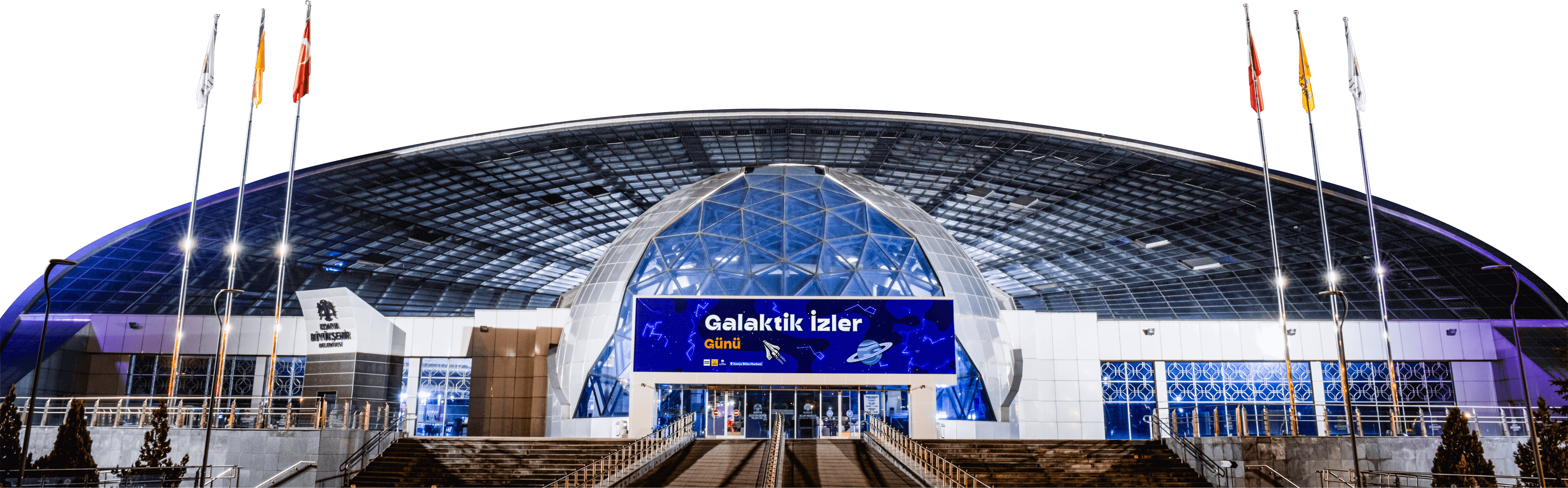

Science centers aim to bring science and technology closer to individuals of different ages and backgrounds by making scientific knowledge understandable and accessible to society, and by increasing public awareness of the importance of science and technology. These centers offer experimental and hands-on activities that encourage visitors to try, explore, and discover. They are established for the public good, operate on a non-profit basis, and are funded by public or private sector resources.
Unlike the traditional museum concept—where objects are displayed behind glass cases in quiet environments and touching is prohibited—science centers provide dynamic spaces with interactive exhibits that visitors can actively explore, touch, and experiment with.
Science centers broaden perspectives by enabling people to approach everyday events from a scientific point of view. They demonstrate that everyone has the potential to think creatively and to develop creative thinking skills. In particular, they contribute to young visitors becoming individuals who can make independent decisions and take responsibility.
Beyond their content, science centers also serve as attractions through their architecture, green spaces, and diverse functional uses. With spacious entrances and waiting areas, as well as high ceilings, they offer visitors a comfortable and welcoming environment. Interactive outdoor exhibits that greet visitors even before they enter the science center invite them into the fascinating world of science.
Based on the foresight that science centers will play a critically important role in spreading scientific culture throughout society, TÜBİTAK aims to support the establishment of these centers across the country and to increase their number over the years.
TANIYIN

+
Sergi Galerisi
+
Sergi Galerisi
+
Sergi Galerisi
+
Sergi Galerisi
+
Sergi Galerisi
+
Sergi Galerisi
+
Sergi Galerisi